


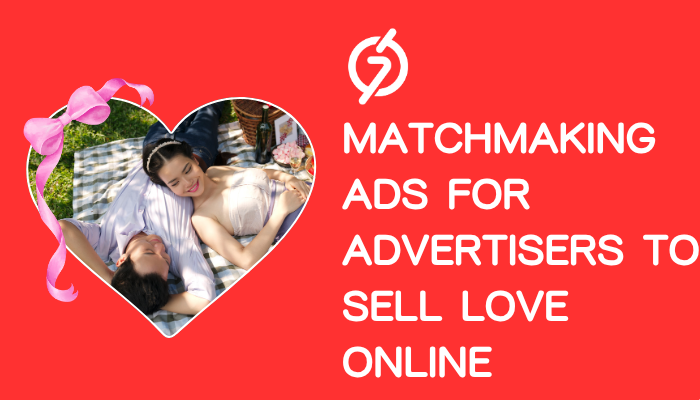
Love might be unpredictable, but advertising it isn’t. In the world of digital marketing, Matchmaking Ads have carved out a surprisingly profitable niche. These ads don’t just promote dating platforms—they promote the idea of connection, chemistry, and companionship. According to Statista, the global online dating market is projected to surpass $3.5 billion by 2028, and advertising plays a huge role in driving that growth. For advertisers, this means opportunity. Every profile, swipe, and romantic click represents data, engagement, and conversion potential waiting to be tapped.
But here’s the twist: selling love is trickier than selling any other product.
When Emotions Meet Ad Budgets
Unlike e-commerce or gaming ads, matchmaking advertisements sell an emotion, not a physical item. You’re not promoting a product you can photograph or a service you can clearly define. You’re selling a feeling—and that’s what makes Matchmaking Ads both powerful and complicated.
Advertisers face a unique challenge: how to reach users who crave genuine relationships without making the ads feel manipulative or transactional. On one hand, you want to appeal to emotion. On the other, you can’t come off as desperate or spammy. Add to that strict ad policies on dating content from platforms like Google and Meta, and it’s clear—navigating this vertical takes precision.
Many advertisers struggle to strike that balance. Their campaigns either get flagged for sensitive targeting or fail to convert because the messaging misses the emotional core. So how do successful campaigns manage to “sell love” without losing authenticity?
The Secret is Emotional Precision
The smartest advertisers have learned that the success of Online Matchmaking Ads depends on emotional precision. It’s not about making people fall in love—it’s about connecting them to the possibility of love.
Think of it this way: you’re not advertising “a date tonight.” You’re advertising “a story waiting to begin.” The tone, visuals, and copy of your ad need to inspire curiosity and hope, not pressure or urgency.
Here’s what experienced marketers often get right:
- Authentic Imagery: Real people perform better than models. Users engage more with ads that feel relatable.
- Localized Targeting: A campaign for singles in Mumbai should sound different from one in New York. The cultural nuances matter.
- Soft CTAs: Instead of “Find Love Now,” try “Meet Someone Who Gets You.” It feels less pushy and more natural.
- User Intent Focus: Segment audiences based on behavior, not just age or gender. Someone who’s browsing relationship blogs is different from someone scrolling casually.
Advertisers who understand these subtleties create campaigns that feel personal, not promotional.
Smarter Ad Networks Change Everything
Now let’s talk about where those ads appear. Placement and targeting are everything in the dating vertical. Traditional ad networks often restrict or mislabel dating-related ads, reducing reach or visibility. But specialized ad networks allow advertisers to reach niche audiences with precision while staying compliant with ad guidelines.
Imagine being able to promote your dating brand to users actively searching for companionship. That’s what a smart ad network can deliver. It’s not about bombarding users; it’s about meeting them where they’re emotionally ready to connect.
Before launching your campaign, it’s worth exploring this Complete Checklist for Running Matchmaking Ads—a guide that walks you through creative strategy, targeting, and compliance essentials for this unique advertising niche.
How Matchmaking Ads Work: A Behind-the-Scenes Look
So what really happens behind the screen when a user sees a matchmaking ad? Let’s break it down:
- Data Targeting: The ad network collects behavior-based data—search queries, profile interests, demographics—to identify users open to relationship-based content.
- Personalized Delivery: Based on this, ads are delivered that feel relevant, like “Meet Local Singles Who Share Your Interests.”
- Conversion Optimization: The goal isn’t just a click; it’s a sign-up, subscription, or message sent within a dating app or site.
- Retargeting: Users who showed interest but didn’t convert are retargeted with soft reminders like “Still looking for your perfect match?”
This cycle blends data analytics with emotional storytelling—a mix that can turn impressions into meaningful user actions.
Why Advertisers Shouldn’t Ignore This Vertical
Dating and matchmaking are year-round markets. While Valentine’s Day or New Year spikes user activity, love doesn’t have a season. That means advertisers have steady traffic opportunities across different geographies and demographics.
Moreover, Matchmaking Advertising offers high engagement rates compared to other lifestyle verticals. Users interacting with dating content often stay longer, explore multiple profiles, and revisit apps frequently. That level of user involvement gives advertisers more touchpoints to build connections and conversions.
Common Mistakes Advertisers Make in Matchmaking Campaigns
Even seasoned marketers trip up in this niche. Here are a few pitfalls worth avoiding:
- Overpromising: Claiming instant results like “Find your soulmate today” often backfires and reduces trust.
- Ignoring Compliance: Dating ads are sensitive; always review platform-specific policies before launching.
- Bad Targeting: Broad targeting wastes ad spend. Focus on intent-driven users.
- Weak Landing Pages: Sending users to generic pages kills conversions. Tailor your landing page to the ad message.
- Lack of Emotional Consistency: Your visuals, headline, and CTA must carry the same emotional tone throughout.
Remember, matchmaking ads thrive on sincerity. If the user feels emotionally manipulated, they’ll bounce.
Creative Trends Shaping Matchmaking Advertising
Digital love is evolving. Here’s where the trend is heading:
- AI Personalization: Platforms now use machine learning to match users with compatible profiles—and advertisers can do the same to deliver hyper-personalized ads.
- Video Ads: Short-form video storytelling works wonders in creating emotional engagement.
- Micro Niches: Ads promoting mature dating, faith-based dating, or LGBTQ+ matchmaking platforms are performing exceptionally well.
- Privacy-Centric Messaging: With rising concerns over data use, emphasizing safety and authenticity helps build trust.
Staying aligned with these trends keeps your campaigns competitive and relevant.
Building Trust Through Advertising
At its core, Matchmaking Advertising is about creating trust before the first click. Unlike traditional sales funnels, you’re asking users to take a personal leap—often to share details about their romantic life. Your ads must reassure them that your platform or service respects that vulnerability.
How you phrase your message, the tone you set, and even the colors you choose all play a role in this emotional handshake between brand and user.
The Takeaway for Advertisers
Advertising in the matchmaking space is both art and analytics. It’s about understanding that love isn’t a product, but people’s search for it can still be guided through honest, engaging ads.
If you’re serious about growing in this vertical, take the time to experiment with creative approaches, test your audience segments, and work with ad networks that understand dating-related policies inside and out. The better your targeting and creative consistency, the more conversions you’ll see—without breaking compliance or authenticity.
Ready to test your own matchmaking campaign? You can create an ad campaign and start connecting your brand with real audiences who are actively looking for love online.
Conclusion
Love might be timeless, but advertising it requires strategy. The brands that win in matchmaking ads are those that combine empathy with precision. They know that the heart may lead, but data decides.
So if you’ve ever wondered whether “selling love” is possible—it is. You just need the right story, the right audience, and the right platform to tell it. And who knows? The next connection your ad inspires might be more than just another click—it might be someone’s beginning.
 :
https://www.pinterest.com/7search_ppc_ads/
:
https://www.pinterest.com/7search_ppc_ads/









