


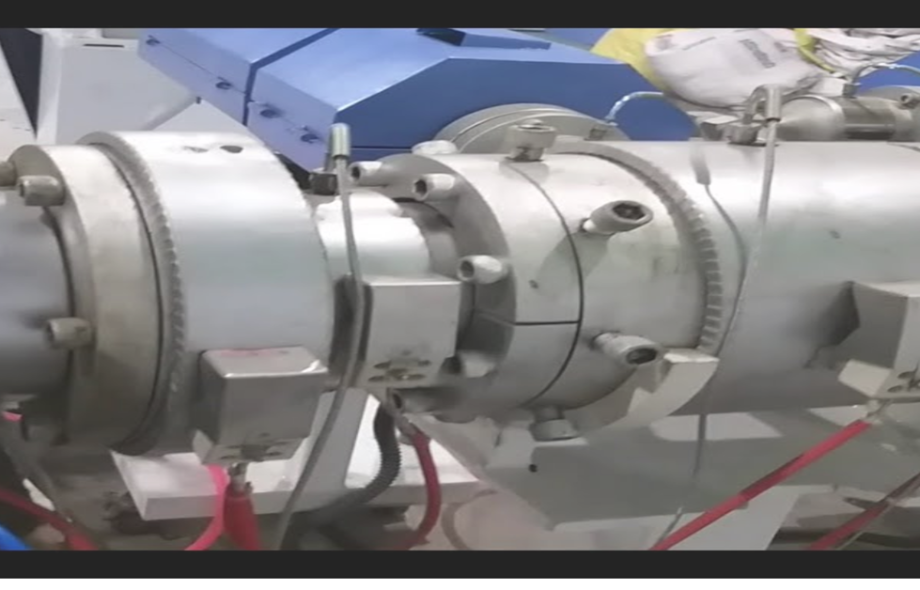
Pipes play a critical role in modern infrastructure, supporting water supply, drainage, irrigation, gas distribution, and industrial fluid transport. Among the most widely used plastic pipes are HDPE and PVC pipes due to their durability, flexibility, and cost efficiency. To manufacture these pipes with precision and consistency, industries rely on advanced machinery such as the HDPE Pipe Making Machine and PVC Pipe Making Machine.
This article provides a detailed overview of these machines, their working processes, applications, benefits, and key differences.
What Is an HDPE Pipe Making Machine?
An HDPE Pipe Making Machine is used to manufacture pipes from High-Density Polyethylene (HDPE) raw material. HDPE pipes are known for their high strength, corrosion resistance, and long service life, making them ideal for underground and high-pressure applications.
The machine uses an extrusion process where HDPE granules are melted, shaped, cooled, and cut into pipes of various diameters and lengths.
Key Components of an HDPE Pipe Making Machine
-
Single screw extruder
-
Die head and mandrel
-
Vacuum calibration tank
-
Cooling tank
-
Haul-off unit
-
Cutting unit
-
Pipe stacking system
Each component works together to ensure smooth production and uniform pipe quality.
Working Process of HDPE Pipe Manufacturing
The manufacturing process involves several stages:
-
HDPE granules are fed into the extruder
-
Material is melted using heaters and screw rotation
-
Molten HDPE passes through a die to form pipe shape
-
Vacuum calibration ensures accurate pipe dimensions
-
Pipes are cooled using water tanks
-
Pipes are pulled, cut, and stacked
This process produces strong, leak-proof pipes suitable for long-term use.
Applications of HDPE Pipes
HDPE pipes manufactured using an HDPE pipe making machine are widely used in:
-
Water supply pipelines
-
Gas distribution systems
-
Agricultural irrigation
-
Sewer and drainage systems
-
Industrial chemical transport
-
Mining and slurry pipelines
Their flexibility and resistance to cracking make HDPE pipes ideal for harsh environments.
What Is a PVC Pipe Making Machine?
A PVC Pipe Making Machine is designed to produce pipes using Polyvinyl Chloride (PVC) material. PVC pipes are lightweight, cost-effective, and easy to install, making them popular for residential and commercial plumbing.
PVC pipe machines are available for both rigid PVC (uPVC) and flexible PVC pipe production.
Main Components of a PVC Pipe Making Machine
-
Extruder (single or twin screw)
-
Die head
-
Vacuum calibration unit
-
Cooling system
-
Haul-off machine
-
Cutting machine
-
Belling or socketing machine
These machines ensure consistent output and smooth pipe surfaces.
PVC Pipe Manufacturing Process
The PVC pipe manufacturing process includes:
-
Feeding PVC powder or granules into the extruder
-
Heating and melting the material uniformly
-
Extruding molten PVC through a pipe die
-
Calibrating and cooling the pipe
-
Haul-off and cutting to required length
-
Socketing or belling (if required)
PVC pipe making machines are known for high-speed production and low energy consumption.
Applications of PVC Pipes
PVC pipes produced by a PVC pipe making machine are commonly used in:
-
Residential plumbing
-
Drainage and sewer systems
-
Electrical conduit pipes
-
Agricultural water supply
-
Industrial piping systems
Their chemical resistance and smooth internal surface improve flow efficiency.
Difference Between HDPE and PVC Pipe Making Machines
| Raw Material | HDPE granules | PVC powder/granules |
| Flexibility | High | Low to moderate |
| Pressure Resistance | High | Moderate |
| Installation | Heat fusion | Solvent cement |
| Applications | Gas, water, industrial | Plumbing, drainage |
Choosing the right machine depends on the application, material availability, and production requirements.
Advantages of Modern Pipe Making Machines
Both HDPE and PVC pipe making machines offer several benefits:
-
High production efficiency
-
Accurate pipe dimensions
-
Low material wastage
-
Automated operation
-
Long machine lifespan
-
Consistent pipe quality
Advanced machines also support energy savings and minimal maintenance.
Future of Pipe Manufacturing Technology
The pipe manufacturing industry is evolving with innovations such as:
-
Fully automated extrusion lines
-
Energy-efficient heating systems
-
Smart PLC controls
-
Sustainable and recyclable materials
-
High-output multi-layer pipe production
These advancements help manufacturers meet growing infrastructure demands while maintaining quality standards.
Conclusion
The HDPE Pipe Making Machine and PVC Pipe Making Machine are essential tools in the plastic pipe manufacturing industry. While HDPE machines are ideal for high-pressure and underground applications, PVC machines are widely used for plumbing and drainage systems.
By investing in the right pipe making machine, manufacturers can ensure superior product quality, efficient production, and long-term business growth.
 :
:









