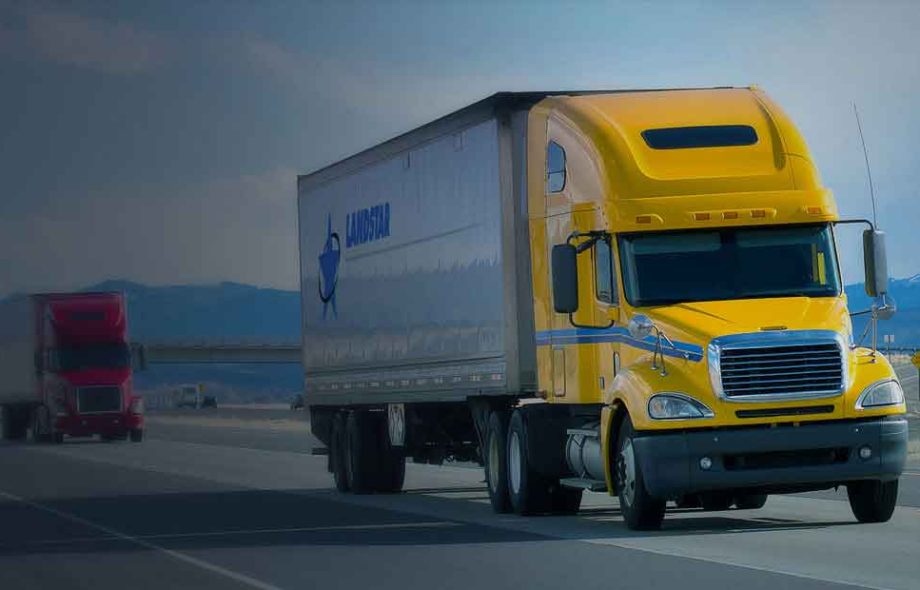
A box truck dispatcher helps owner-operators find high-paying loads, negotiate better rates, manage paperwork, and handle day-to-day communication with brokers. A professional box truck dispatch service saves time, reduces stress, increases earnings, and keeps trucks moving consistently across the USA.
If you operate a box truck or plan to enter the hot-shot and final-mile market, having a reliable dispatcher can be one of the smartest decisions you make. The demand for fast, flexible freight delivery in the United States is higher than ever, and competition is growing. This is where expert box truck dispatchers step in to help drivers stay profitable and efficient.
This guide breaks down everything you need to know about box truck dispatch, the benefits, the workflow, USA-specific industry insights, and how the right dispatch partner can help your business scale.
What Is Box Truck Dispatching?
Box truck dispatch is the process of finding, scheduling, and managing loads specifically for 16-26 ft box trucks across the USA. A dispatcher for box trucks handles the day-to-day operations that many owner-operators struggle to balance, including:
-
Searching for high-paying loads
-
Negotiating rates with brokers
-
Sending rate confirmations
-
Coordinating pickup and delivery
-
Managing paperwork
-
Handling customer updates
-
Avoiding dead miles
-
Keeping the driver moving consistently
Think of a box truck dispatcher as your personal operations manager. Whether you run a single truck or a small fleet, dispatchers allow you to focus on driving while they focus on the business side.
Why Box Truck Dispatch Services Are in High Demand in the USA
The US logistics industry relies heavily on box trucks, especially for:
-
Final-mile delivery
-
Retail distribution
-
Medical shipments
-
E-commerce freight
-
Event logistics
-
Furniture and appliance delivery
-
Regional hot-shot freight
With rising shipping expectations across states like Texas, Georgia, Florida, California, New York, and Illinois, carriers need consistent freight to stay profitable. But competition on load boards is intense.
That is why many owner-operators choose professional box truck dispatch services to help them navigate the market and secure stronger lanes.
Key Benefits of Hiring a Professional Box Truck Dispatcher
1. Consistent Load Availability
One of the biggest challenges for new and even experienced box truck carriers is finding loads. Dispatchers monitor multiple boards daily and understand the timing and market cycles of different states.
This means better coverage, less waiting, and more days with paid miles.
2. Higher Rate Negotiations
Experienced box truck dispatchers know how to negotiate with brokers. They understand:
-
Rate per mile
-
Fuel cost impact
-
Market demand
-
Seasonal trends
-
Hot lanes and slow lanes
Better negotiation equals stronger weekly revenue.
3. Reduced Stress and Admin Work
Dispatchers manage the communication, email paperwork, detention requests, lumper pay coordination, and revisions so drivers can focus on the road.
This saves hours of admin time every week.
4. Lower Deadhead Miles
Deadhead miles equal lost money. A skilled dispatcher looks ahead to book return loads, back-to-back loads, and smart relocation loads.
5. Support for New Owner-Operators
New carriers often struggle with:
-
Setting up broker packets
-
Understanding the market
-
Load board filters
-
Safety compliance
-
Factoring and rate confirmations
A dispatcher bridges this learning gap and ensures new drivers avoid common mistakes.
6. Fleet and Multi-Truck Management
For small fleets, dispatchers synchronize multiple schedules, drivers, and weekly targets to keep utilization high.
How a Box Truck Dispatch Service Works (Step-by-Step)
To help you understand what really happens behind the scenes, here’s the typical workflow:
Step 1: Carrier Onboarding
The dispatcher gathers your documents:
-
MC authority
-
W9
-
COI
-
Driver and equipment details
This allows them to sign carrier packets on your behalf.
Step 2: Understanding Your Preferences
Good dispatchers don’t push you into loads you don’t want. They ask:
-
Preferred states
-
Minimum rate per mile
-
Home time needs
-
Weight limits
-
Dock or no-dock preference
-
Short haul vs. long haul
Step 3: Load Search and Rate Negotiation
Dispatchers search:
-
Load boards
-
Broker networks
-
Direct shippers
-
Regional carriers
-
Repeat lanes
They negotiate to secure the best available rate for your equipment type.
Step 4: Confirming the Load
Once you’re happy with the offer, they confirm with the broker and send you:
-
Address
-
Pickup time
-
Delivery time
-
Special instructions
Step 5: Ongoing Load Management
As you drive, dispatchers communicate with brokers and update them on arrival times, delays, paperwork, and delivery verification.
Step 6: Paperwork and Billing
They handle:
-
Proof of delivery
-
Rate confirmation
-
Detention requests
-
Layover approvals
This creates a smooth workflow for both new and experienced drivers.
Types of Loads Box Truck Dispatchers Typically Book
Not all loads are the same. Box truck dispatch services specialize in categories such as:
Final-Mile Delivery
Large retailers and e-commerce platforms often need regional same-day or next-day delivery.
LTL Freight
Less-than-truckload shipments are common for boxes, pallets, and mixed goods.
Furniture and Appliance Loads
Box trucks handle residential and commercial delivery across the USA.
Medical and Pharmaceutical Freight
Time-sensitive shipments requiring quality service.
Event and Exhibition Loads
Hotels, venues, and corporate events often rely on box trucks.
Regional Hot-Shot Freight
Fast delivery within cities or between nearby states.
By understanding these load types, dispatchers can match the right freight to your needs.
What Makes a Good Box Truck Dispatcher?
Not all dispatchers are equal. Below are traits of a strong professional:
1. Market Knowledge
They follow:
-
Freight trends
-
Seasonal cycles
-
State-to-state variations
-
Broker behavior
This experience helps drivers stay profitable even in slow seasons.
2. Communication Skills
A good dispatcher stays responsive and keeps both driver and broker informed.
3. Fair and Transparent Pricing
Reputable dispatchers charge a clear percentage and no hidden fees.
4. Reliability
Drivers depend on dispatchers to manage daily workload, so consistency is critical.
5. Ability to Build Broker Relationships
Long-term broker connections often lead to better loads and repeat business.
How Box Truck Dispatching Supports USA-Based Carriers
The United States freight market is large but also complex. States have different rules, volumes, and hot zones. Here are regional insights dispatchers consider:
Southeast (Florida, Georgia, North Carolina)
High retail freight, strong seasonal volume, and lots of final-mile work.
Midwest (Illinois, Michigan, Ohio)
Industrial loads, auto parts, and distribution center work.
South (Texas, Louisiana)
Strong year-round freight, oil industry routes, and regional distribution.
West Coast (California, Arizona, Nevada)
High-demand e-commerce and warehouse-to-warehouse movement.
Dispatchers navigate these regions to place you in the best earning positions.
Long-Tail Keywords and Semantic Entities Naturally Covered
Throughout this article, long-tail variations such as:
-
best box truck dispatch service
-
dispatch support for box truck owner-operators
-
USA box truck dispatch companies
-
experienced dispatcher for box trucks
-
reliable box truck dispatch solutions
-
how box truck dispatching works
-
box truck load booking help
These variations strengthen topical relevance and search visibility.
Common Questions About Box Truck Dispatch Services (FAQs)
1. Do I really need a box truck dispatcher?
If you want consistent loads, better rates, and less stress, a dispatcher is a smart investment. They help you stay profitable and avoid wasted time.
2. How much do box truck dispatchers charge?
Most charge a percentage of the weekly gross. Rates vary depending on service level, experience, and load volume.
3. Can dispatchers help new box truck carriers?
Yes. Dispatchers support setup, load board navigation, broker packets, and other early challenges.
4. What size box truck can be dispatched?
Most work with 16-26 ft box trucks, particularly those with a liftgate.
5. What type of freight will I get?
Mostly pallets, LTL freight, furniture, retail items, e-commerce loads, and general commodities.
Conclusion: A Box Truck Dispatcher Can Transform Your Business
Running a box truck in the USA is full of opportunity, but the competition is real. A professional box truck dispatch service helps you operate smarter, stay booked, increase earnings, and reduce daily stress. Whether you’re new to the industry or running multiple trucks, having a skilled box truck dispatchers can be the difference between an inconsistent schedule and long-term success.
This detailed guide gives you everything you need to understand how dispatching works and how it supports box truck carriers across the United States. If you’re ready to grow, finding the right partner is the next step.
 :
: